
Cryptocurrency holdings now exceed billions globally, but here’s the catch: your Bitcoin doesn’t sit in a vault somewhere. It exists as nothing more than cryptographic private keys—lose them, and nobody can recover your money. Ever. No bank manager to call, no password reset button, no FDIC insurance claim.
This harsh reality sparked an entire custody industry. Back in 2013, crypto holders wrote seed phrases on napkins and hoped for the best. Today? We’ve got institutional vaults using multi-party computation, military-grade hardware security modules, and insurance policies that would make Wall Street jealous. Whether you’re holding $5,000 in Ethereum or managing a $500 million corporate treasury, picking the right custody approach isn’t optional—it’s existential.
Understanding Digital Asset Custody Basics
Think of digital asset custody as the safekeeping and control of private keys—those cryptographic codes that prove you own cryptocurrency and can move it on the blockchain. A custodian doesn’t actually store your Bitcoin like bars of gold in Fort Knox. Instead, they protect the private keys that grant access to your holdings recorded on public ledgers.
The digital asset custodian role goes way beyond just stashing keys somewhere safe. Professional custodians build secure infrastructure, manage access permissions, execute transactions when you authorize them, maintain detailed transaction records, and typically insure against theft or loss. Institutional clients get extra perks: help meeting regulatory reporting deadlines, support for internal approval processes, and documentation that satisfies auditors.
Why does custody matter so much? Because blockchain transactions can’t be reversed—period. Wire money to the wrong account number, and you’ve lost it forever. According to a 2025 industry analysis, hackers and security failures cost the crypto ecosystem over $2.1 billion that year alone. One particularly painful example: an early Bitcoin investor who threw away a hard drive containing keys to 7,500 Bitcoin (worth over $220 million at today’s prices). That hard drive sits in a Welsh landfill somewhere, and despite years of searching, he’ll probably never recover it.
For institutions, proper custody isn’t just smart—it’s legally required. If you manage client money as a registered investment adviser, you can’t just keep private keys in a spreadsheet on your laptop. Regulators expect you to use qualified custodians who meet strict security and compliance standards, similar to how traditional investment firms must use custodian banks for stocks and bonds rather than keeping share certificates in desk drawers.

Self-Custody vs Third-Party Custody Solutions
Every crypto holder faces the same basic decision: control your own keys, or trust a specialized firm to handle them? Each path comes with serious trade-offs.
Self-custody means you manage private keys personally. Maybe you’ve got a Ledger hardware wallet locked in your home safe, a mobile app for small amounts, or an elaborate setup with multiple backup devices hidden in different locations. You answer to nobody—no company can freeze your account, limit withdrawals, or lock you out. This independence appeals to crypto’s libertarian roots and protects you if a custodian goes bankrupt or gets hit with a government seizure order.
But self-custody dumps every security responsibility on your shoulders. You’re defending against physical theft, digital attacks, phishing scams, and your own mistakes. Forget a password without proper backups? Gone. Lose your hardware wallet? Gone. Fall for a fake wallet app? Gone. The James Howells hard drive story isn’t unique—it’s just the most expensive example of what happens when self-custody goes wrong.
Third-party custody outsources key management to a specialized company. Regulated custodians employ full-time security professionals, maintain redundant systems across multiple continents, implement enterprise-grade access controls, and carry substantial insurance. For most people, this approach dramatically cuts the risk of losing everything to a technical mistake or security failure.
You’re trading autonomy for professional protection. Third-party custody means trusting the custodian’s security practices, financial health, and willingness to honor withdrawal requests. Yes, custodians can get hacked (though major providers have strong track records). They can also go bankrupt, comply with court orders to freeze accounts, or restrict certain assets due to regulatory uncertainty.
Here’s how the two approaches stack up across critical factors:
| Factor | Self-Custody | Third-Party Custody |
|---|---|---|
| Who controls keys | You hold all keys and authorize every transaction directly | Custodian holds keys; you submit transaction requests through their system |
| Security responsibility | Falls entirely on you—defend against hackers, physical threats, and your own errors | Professional security teams with specialized expertise and infrastructure |
| Regulatory requirements | You handle all tax reporting and compliance paperwork yourself | Custodians typically provide transaction reports and compliance documentation |
| Insurance protection | None unless you buy specialized coverage separately | Leading custodians maintain policies covering hundreds of millions in losses |
| User experience | Steep learning curve; requires technical knowledge and constant vigilance | Polished interfaces with customer support; much easier for non-technical users |
| Ideal users | Tech-comfortable individuals who value independence; smaller holdings where loss is tolerable | Institutions with fiduciary duties; high-net-worth individuals; anyone prioritizing convenience over autonomy |
Your assets’ value often dictates the smart choice. Got $3,000 in crypto and feel comfortable with technology? Self-custody with a quality hardware wallet makes sense. Managing $50 million in a corporate treasury? You need the audit trail, insurance coverage, and regulatory compliance that only a qualified custodian delivers.
Some sophisticated investors split the difference: self-custody for amounts they’d survive losing (or need quick access to), while using institutional custody for long-term holdings they can’t afford to lose.

Hot Wallet vs Cold Wallet Storage Methods
Beyond choosing who controls your keys, you must decide where those keys live. The hot wallet versus cold wallet debate centers on a simple question: do your private keys touch the internet?
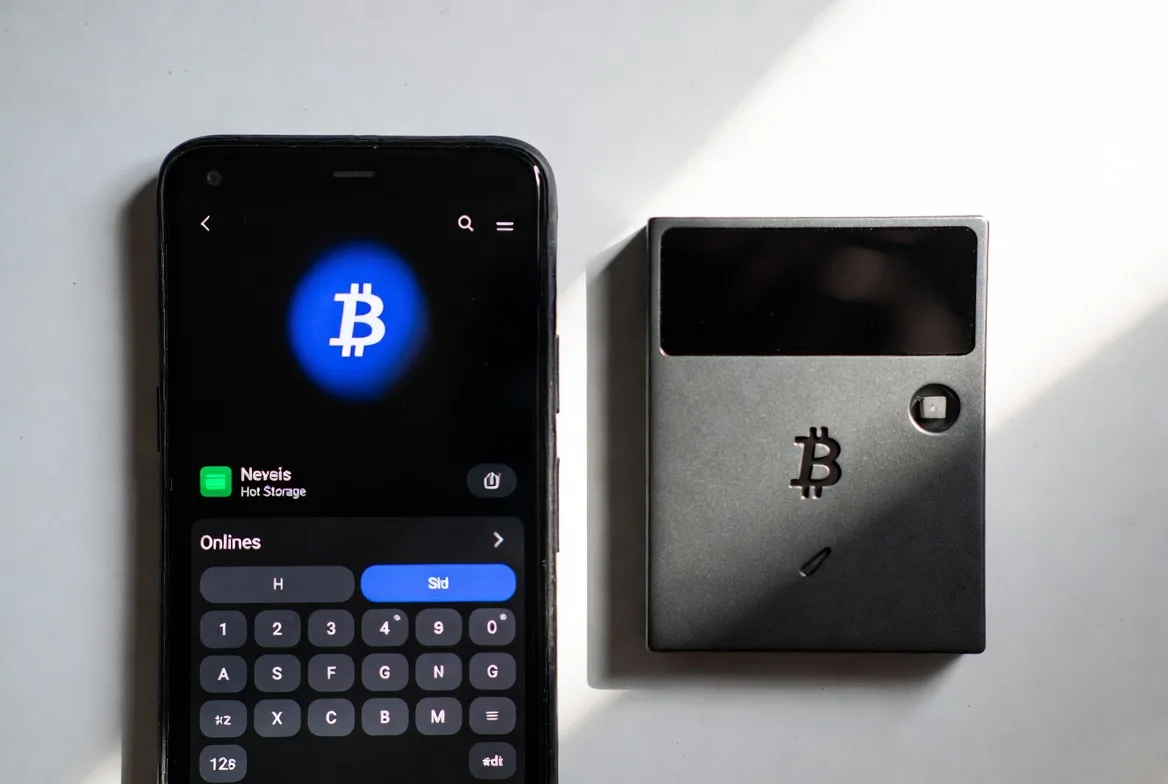
Hot wallets keep private keys on internet-connected devices—your phone, laptop, or web-based exchange account. This connectivity delivers convenience: you want to send crypto, the wallet software signs your transaction instantly using stored keys. No extra steps, no waiting.
That convenience carries real risk. Internet-connected systems give hackers attack vectors they can exploit from anywhere. Malware, phishing schemes, exchange breaches, and software bugs have all drained hot wallets. In 2026, attackers compromised a mid-tier exchange and siphoned $180 million from hot wallets in under 20 minutes—faster than security teams could even respond.
Hot wallets work for amounts you need regularly: active trading, routine payments, business operating funds. Most savvy users keep just a small percentage of total holdings in hot storage—think of it like the $200 in your physical wallet, not your entire savings account.
Cold wallets isolate private keys on devices that never touch the internet. This category includes hardware wallets (USB-style devices like Trezor or Ledger), paper wallets (physical documents with printed keys), air-gapped computers, and even steel plates with engraved recovery phrases.
The offline nature makes remote hacking essentially impossible. Attackers need physical access to your device, and depending on your setup, they’d also need to crack PIN protection, gather multiple signature approvals, or defeat biometric locks. This security makes cold wallets the gold standard for serious money and long-term holdings.
The downside? Accessibility. Moving crypto from cold storage requires physically connecting devices, confirming transaction details on hardware screens, and often coordinating multiple signers for additional security. This friction is intentional—it stops both unauthorized access and panic selling during market crashes.
| Characteristic | Hot Wallet | Cold Wallet |
|---|---|---|
| Internet connection | Always online and ready to transact | Never connected; completely air-gapped from networks |
| Security level | Moderate—vulnerable to remote attacks and malware | Very high—immune to online hacking attempts |
| Transaction speed | Immediate; sign and broadcast within seconds | Requires manual steps; connecting hardware takes time |
| Common uses | Day trading, frequent payments, keeping operational liquidity | Long-term savings, large holdings, infrequently accessed funds |
| Primary risks | Online theft, exchange hacks, phishing attacks | Physical loss, damage, theft of hardware device, losing recovery phrase |
Institutional custodians use tiered systems combining both approaches. When you deposit funds, they initially sit in hot wallets providing immediate liquidity. Automated processes then sweep excess balances to cold storage—sometimes multiple times daily. When you request a withdrawal, the custodian draws from hot wallets first, only accessing cold storage when hot balances run low.
Don’t assume all cold storage offers equal protection, though. A hardware wallet sitting in your sock drawer barely protects against burglary. Serious cold storage requires physical security: safes, bank deposit boxes, or professional vault facilities. Geographic distribution protects against fires, floods, and natural disasters. Sophisticated setups use multi-signature schemes requiring multiple cold devices stored in separate locations—ensuring no single point of failure can compromise your holdings.
Institutional Digital Asset Custody Requirements
Institutions face custody requirements that dwarf individual needs. Regulatory frameworks, fiduciary obligations, and internal governance rules typically ban institutions from self-custodying crypto on consumer-grade hardware wallets or standard exchange accounts.
Custody for institutional investors must check several boxes. The custodian needs proper regulatory status—in the U.S., that usually means registration as a trust company, money transmitter, or broker-dealer (depending on services and assets). Many institutions demand custodians hold banking charters or operate under explicit regulatory guidance for digital assets.
A qualified crypto custodian demonstrates financial strength, maintains minimum capital levels, undergoes regular audits by major accounting firms, and carries serious insurance coverage. Their security controls must meet institutional standards: hardware security modules (HSMs) for key storage, multi-signature custody requiring multiple parties for transaction approval, comprehensive access logging, and segregated client accounts preventing any commingling of funds.
Multi-signature custody has become table stakes for institutional setups. Instead of one private key controlling assets, multi-sig wallets require M-of-N signatures to authorize transactions—maybe any 3 of 5 designated parties must approve before funds move. This distributes control, preventing rogue employees or single-point compromises from draining accounts.
Picture a typical institutional arrangement: the custodian holds two keys, the client holds one, an independent third party holds another, and any three signatures authorize transactions. This structure stops the custodian from unilaterally moving funds (protecting against internal fraud or regulatory coercion), while ensuring the client can’t get locked out if they lose their key (the custodian and third party can still complete transactions).
Institutional custody addresses operational details that individual custody ignores. Clients need granular transaction reporting for accounting and taxes, support for complex blockchain events (staking rewards, governance voting, token airdrops), integration with existing treasury systems, and airtight legal documentation proving ownership even when third parties hold keys.
The qualified custodian criteria for crypto mirror traditional finance requirements in many ways. The SEC has signaled that custodians holding crypto for registered investment advisers should meet standards similar to Rule 206(4)-2 of the Investment Advisers Act—meaning proper regulatory status, segregated client holdings, surprise audits, and direct account statements to clients.
Pension funds, university endowments, and similar institutional investors generally cannot allocate capital to digital assets unless qualified custody exists. This constraint drove specialized crypto custodians like Anchorage Digital and Coinbase Custody to build purpose-built institutional services, while traditional giants like BNY Mellon and Fidelity launched their own digital asset custody divisions.
Security Standards and Regulatory Compliance for Custodians
The custodian security standards separating professional providers from basic wallet services span technical defenses, operational procedures, and regulatory frameworks.

Technically, leading custodians deploy defense in depth. Private keys get generated and stored in FIPS 140-2 Level 3 (or higher) certified hardware security modules—specialized chips that resist physical tampering and side-channel attacks. Complete key material never exists in one place; cryptographic techniques like Shamir’s Secret Sharing or multi-party computation split keys across multiple HSMs in geographically separated facilities.
Permissions follow least privilege principles—employees only get access to systems they absolutely need for their jobs. Nobody can access complete key material or authorize significant transactions alone. Sensitive operations require approvals from multiple different people, and every access event gets logged in detail. Custodians maintain tamper-proof audit trails of every transaction, key access, and system change, storing logs in immutable, append-only databases.
Physical security matches digital protections. Key storage facilities run 24/7 surveillance, biometric access controls, mantrap entries preventing tailgating, and redundant power and cooling systems. Many custodians distribute facilities geographically—no single location holds enough key shares to move assets.
Insurance became a crucial differentiator. Traditional FDIC insurance doesn’t cover cryptocurrency, but specialized digital asset insurance policies now cover theft, employee dishonesty, and some technical failures. Top-tier custodians maintain coverage reaching hundreds of millions or billions of dollars, though policy terms vary wildly in what they cover and when they’ll actually pay claims.
As one compliance expert observed:
The maturation of crypto custody standards has been essential for institutional adoption. We’ve moved from an era where ‘not your keys, not your coins’ was gospel to recognizing that for many use cases, professional custody with proper security controls, insurance, and regulatory oversight actually reduces risk compared to self-custody. The key is ensuring custodians meet rigorous, auditable standards rather than simply taking their word for it.
Jennifer Martinez
Crypto custody regulations in the U.S. remain a patchwork of federal and state rules. Federally, the SEC regulates custodians serving registered investment advisers, while the OCC has granted national trust charters to several crypto custodians, letting them operate nationwide under federal banking supervision.
State rules vary dramatically. New York’s BitLicense regime imposes tough requirements on custodians serving New York residents—strict capital requirements, cybersecurity standards, regular examinations. Wyoming created a special purpose depository institution (SPDI) charter designed specifically for digital asset custodians, offering an alternative to traditional bank charters. Other states require money transmitter licenses, trust charters, or have developed crypto-specific frameworks.
Regulations keep evolving. Recent federal guidance clarified that custodians must prove they maintain effective control over client assets, can produce accurate records, and have adequate safeguards preventing loss or theft. Regulators increasingly expect SOC 2 Type II audits (evaluating security, availability, and confidentiality controls over extended periods) and business continuity plans ensuring client access even if the custodian faces operational disruptions.
How to Evaluate and Choose a Digital Asset Custodian
Selecting a custodian demands evaluating multiple factors beyond slick marketing. Start with regulatory status: does the custodian hold licenses or charters in relevant jurisdictions? A state trust charter, OCC national trust bank status, or operation under established regulatory guidance provides much stronger assurance than unregulated entities making big promises.
Check the security track record. Has this custodian experienced breaches or losses? No system is perfectly secure, but a history of incidents raises red flags about security practices. Conversely, years of operation without losses demonstrates effective controls—though past performance never guarantees future security.
Scrutinize insurance coverage carefully. What specific risks does the policy cover? Many policies exclude losses from certain attack types or contain limits that might not be immediately obvious. Understand the claims process—how quickly would you actually receive payment if a covered loss occurs, and what documentation would you need to provide?
Technology architecture matters enormously for institutional users. Does the custodian support the specific assets you need to hold? How are transactions authorized and executed in practice? What reporting and integration capabilities exist? Can their system accommodate your governance requirements, like multiple approvers for large transactions or time-delayed withdrawals adding friction to prevent rash decisions?
Fee structures vary all over the map. Some custodians charge basis points on assets under custody annually, others charge per-transaction fees, many use combinations. For large holdings with rare transactions, asset-based fees might get expensive; for active traders, per-transaction pricing could be brutal. Make sure you understand all costs: setup fees, withdrawal charges, and fees for additional services.
Consider the custodian’s financial health and business model. Are you dealing with a well-capitalized entity running a sustainable business, or a startup burning through venture funding? What happens to your holdings if the custodian faces bankruptcy? Proper legal structures should segregate client assets and protect them from custodian creditors, but verify this in the service agreement.
Operational factors include customer support quality, transaction processing times, and platform user experience. A custodian with bulletproof security but terrible support that delays time-sensitive transactions creates its own operational risks.
For institutions, the custodian’s flexibility and willingness to customize matter. Can they accommodate your specific multi-signature requirements? Will they work with your internal approval workflows? Can they provide reporting in formats your accounting team actually needs?
Finally, actually read the service agreement carefully. What are the custodian’s liability limits? Under what circumstances can they freeze or restrict access to your holdings? What dispute resolution mechanisms exist? These contractual terms define your actual rights and protections, regardless of what the sales team promised.
FAQs
A crypto wallet is software or hardware storing private keys and letting you interact with blockchains—sending, receiving, and managing digital assets. A custodian is a service provider that holds and manages private keys for you, taking responsibility for security and often providing add-on services like transaction reporting, compliance support, and insurance coverage. You can use a wallet for self-custody, or a custodian will use wallets (often highly sophisticated ones) as part of their custody service offering.
Not always. A cold wallet enables secure self-custody that works fine for individuals with technical skills and proper security practices. However, institutions and fiduciaries usually require third-party custodians regardless of storage technology—driven by regulatory requirements, insurance needs, or internal governance rules. Even individuals might prefer custodial services for convenience, professional security expertise, or amounts large enough to justify the costs.
Many qualified custodians carry insurance, but coverage details vary enormously. Policies typically cover theft, employee dishonesty, and certain technical failures, but may exclude losses from particular attack scenarios, have coverage limits well below total assets under custody, or require extensive documentation to process claims. Always verify what specific insurance a custodian maintains and understand coverage limits and exclusions before counting on insurance as your primary safety net.
A qualified custodian meets regulatory standards for holding client assets—typically including proper licensing (like a trust charter or banking license), minimum capital requirements, regular third-party audits, segregated client accounts, and specific operational controls. For registered investment advisers, the SEC expects custodians to meet standards similar to traditional finance requirements, ensuring they can safeguard assets, maintain accurate records, and provide independent verification of holdings.
Multi-signature wallets require multiple private keys to authorize transactions—maybe 3 of 5 designated keys must sign before funds can move. This eliminates single points of failure: no individual can steal funds unilaterally, a single compromised key doesn’t grant access, and losing one key doesn’t lock you out permanently. Multi-sig proves particularly valuable for institutions, enabling distributed control that aligns with governance policies and prevents both external attacks and internal theft by employees or contractors.
Crypto custodians navigate a complex patchwork of federal and state regulations. Federally, the SEC regulates custodians serving registered investment advisers, the OCC supervises nationally chartered trust banks offering custody services, and FinCEN enforces anti-money laundering requirements. At the state level, custodians may need money transmitter licenses, trust company charters, or compliance with crypto-specific regimes like New York’s BitLicense or Wyoming’s SPDI framework. Specific requirements depend on the custodian’s business model, services offered, and jurisdictions where they operate or serve clients.
Digital asset custody evolved from a technical curiosity into a sophisticated industry with truly institutional-grade solutions. The core challenge hasn’t changed—securing cryptographic keys representing irreplaceable value—but the tools, standards, and regulatory frameworks matured dramatically.
Whether you pick self-custody or third-party solutions, hot wallets or cold storage, align the decision with your specific situation: amounts involved, technical skills, regulatory requirements, and personal risk tolerance. Individuals holding modest amounts with strong technical backgrounds might reasonably self-custody using quality hardware wallets and solid backup procedures. Institutions managing fiduciary assets need qualified custodians with proper licensing, insurance, security controls, and compliance capabilities.
The custody landscape keeps evolving as regulations clarify, technology advances, and the industry matures. Multi-party computation, threshold signatures, and other cryptographic innovations promise improved security without sacrificing usability. Regulatory frameworks are converging toward clearer standards, reducing uncertainty for both custodians and their clients.
Effective custody ultimately comes down to matching your security model to your use case, understanding trade-offs inherent in any approach, and conducting thorough due diligence on providers. Blockchain transactions’ irreversible nature leaves zero room for casual decisions—but with proper custody solutions, digital assets can be held with security matching or exceeding traditional financial assets.