
- What Is Cryptocurrency Historical Data
- Where to Find Bitcoin Historical Price Data and Other Crypto Records
- How to Read Crypto Historical Charts
- Crypto Market Cycles and Long-Term Performance Patterns
- Understanding Crypto Volatility Through Historical Data
- Common Mistakes When Analyzing Historical Cryptocurrency Returns
Every second, crypto markets generate thousands of price quotes across hundreds of exchanges worldwide. These markets never sleep, creating an endless stream of numbers that tell the story of an emerging asset class. But raw numbers mean nothing without context—knowing where to find reliable records, which patterns actually matter, and how to avoid the traps that snare most newcomers makes the difference between insight and confusion.
What Is Cryptocurrency Historical Data
Think of cryptocurrency historical data as the complete medical record of digital asset markets. You’ve got price information—the OHLCV numbers (Open, High, Low, Close, Volume) recorded at intervals ranging from one-minute snapshots to monthly summaries. But that’s just the surface. Underneath, blockchain metrics track hash rates, active wallet addresses, transaction counts, and network fees. Each metric reveals something different about market health.
The timeline varies wildly depending which coin you’re examining. Bitcoin’s price records start in July 2010 when Mt. Gox and other early exchanges opened their doors, though calling those first years “reliable” requires some generosity. Ethereum launched in August 2015, giving it a much shorter track record. Thousands of altcoins that appeared during the 2017 and 2021 booms? Many have histories spanning just a few years, and plenty vanished completely, leaving gaps that complicate any attempt at comprehensive analysis.
Why does this matter? Crypto lacks the century-deep history that traditional markets offer. When you run a five-year backtest on Bitcoin, you’re capturing maybe three complete market cycles—that’s your entire sample size. Compare that to stocks, where five years represents a tiny slice of available data. Anyone building trading systems or risk models needs this history to calibrate their assumptions. Researchers study it to understand how adoption spreads and whether markets are actually efficient. Regulators increasingly demand access for compliance monitoring and fraud detection.
Different data types serve completely different purposes. Price and volume work for technical analysis and backtesting strategies. On-chain measurements like daily transaction volume and active wallet counts show you real network usage that exists independently of speculative trading. Order book archives capture market depth and liquidity at specific moments. Funding rates and open interest from futures and perpetual swap markets tell you how much leverage traders are using. Some platforms track social media mentions and sentiment scores, though whether these predict anything useful remains hotly debated.
Those early Bitcoin records come with serious asterisks attached. Before 2014, Bitcoin traded on maybe five exchanges total, with wildly different prices and terrible liquidity. Mt. Gox alone handled 70% of global volume in 2013, then collapsed spectacularly, creating a discontinuity that affects any dataset spanning that period. Obscure altcoins from 2013-2014 often traded on single platforms that disappeared years ago, leaving permanent holes. Any researcher worth their salt documents exactly which exchanges and time periods their analysis covers, because “Bitcoin price” meant something very different in 2011 versus 2024.
Where to Find Bitcoin Historical Price Data and Other Crypto Records
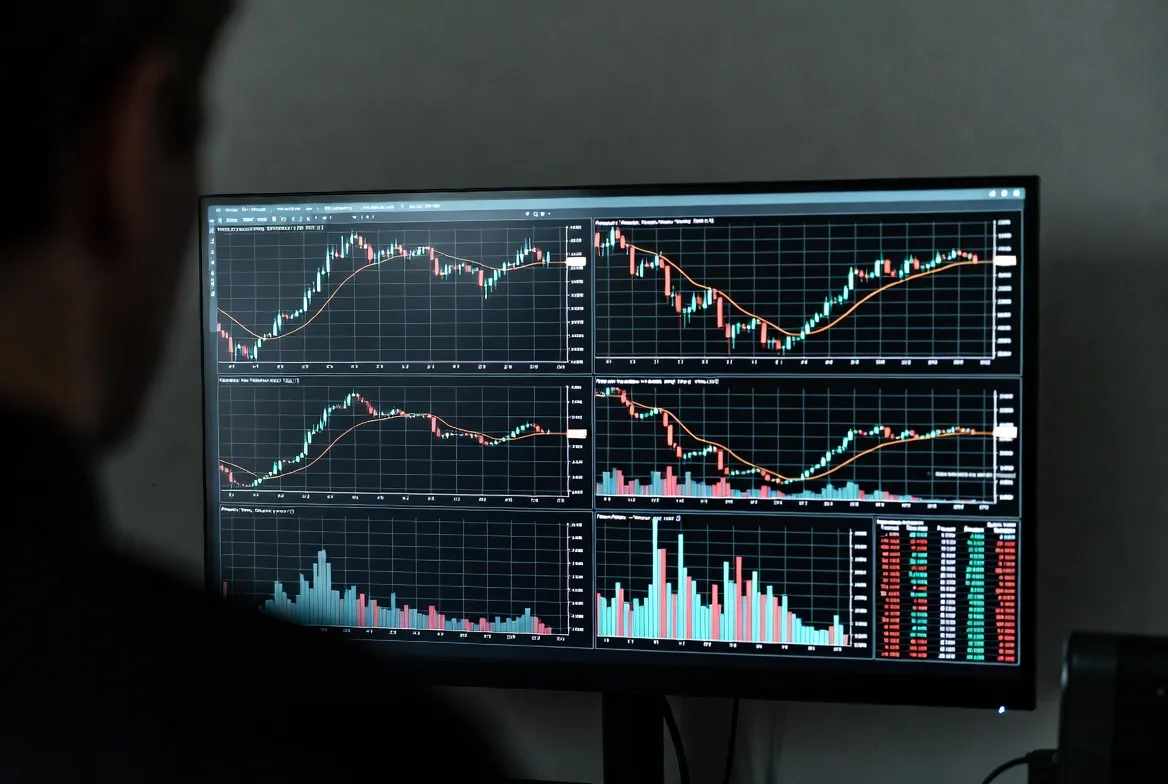
The maturation of crypto markets brought professional data providers, each with distinct advantages and blind spots. CoinMarketCap and CoinGecko give you free access to historical prices for thousands of assets, usually starting from whenever each coin first appeared on their radar. Both offer CSV downloads and APIs, though their free tiers throttle your request frequency and limit how far back you can reach. They aggregate data from multiple exchanges, which smooths out weird anomalies but can also hide important price differences between venues.
Going straight to exchange APIs gives you the most granular information directly from where trades actually happened. Coinbase’s API reaches back to 2012, Bitstamp’s to 2011—valuable if you’re studying Bitcoin’s early years. You’re getting real executed trades instead of aggregated estimates, but building a complete picture requires querying multiple exchanges and figuring out how to reconcile their differences. Free tiers usually rate-limit you hard enough that bulk downloads become tedious without paying.
Specialized vendors target institutions and academic researchers. CryptoCompare delivers tick-level data across hundreds of trading venues with APIs built for quantitative work. Kaiko and CoinMetrics focus on institutional-grade quality, running rigorous cleaning and validation on everything before it reaches you. Glassnode combines on-chain blockchain metrics with market prices. Expect to pay anywhere from several hundred to several thousand monthly for these services, but you’re getting the quality and support that serious analysis demands.
Blockchain explorers like Blockchain.com and Blockchair let you pull raw blockchain data directly—every Bitcoin transaction since 2009 sits there publicly accessible. Actually extracting and processing this information requires real technical chops, though. Academics often prefer blockchain data because it’s immutable and verifiable, unlike exchange data that depends on third-party honesty. Running your own Bitcoin Core or Ethereum node gives you complete control and lets you query the entire chain locally, but you’ll need significant storage space and processing power.
Reliability matters more than most people realize until they get burned. Exchange data contains errors from system glitches, flash crashes, and outright manipulation. That 2017 GDAX flash crash briefly sent Ethereum to $0.10—it’s sitting there in the raw data, but you probably shouldn’t let it influence your analysis. Coins that got delisted create survivorship bias since archives typically drop failed projects, making historical returns look rosier than reality. Cross-reference multiple sources for anything important, and document exactly what data you used and why you chose it.
Free versus paid boils down to what you’re actually doing. Learning and casual research work fine with CoinGecko or exchange APIs. Building automated trading systems or publishing academic research justifies paying for better quality controls and customer support. The middle path involves exploring with free sources, then purchasing specific datasets once you know exactly what you need. Many vendors offer academic discounts or trial periods that let you test quality before committing budget.

How to Read Crypto Historical Charts
Common Chart Types and Timeframes
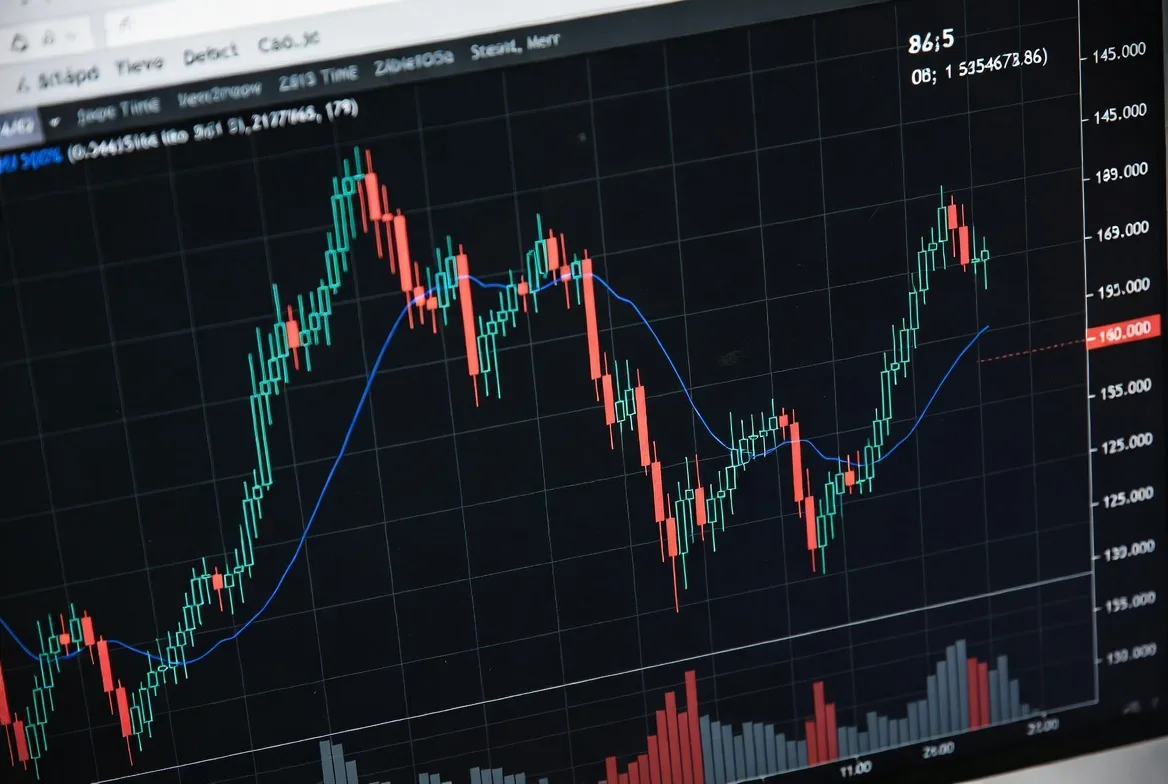
Candlestick charts pack four different prices—open, high, low, close—into one visual element per time period. That’s why traders love them. Green candles (sometimes white) show periods where price closed above the open; red ones (sometimes black) show the opposite. The fat body spans from open to close, while skinny wicks extend to the period’s extremes. A long lower wick means buyers stepped in after sellers pushed price down. A long upper wick shows sellers overwhelmed an attempted rally.
Line charts just connect closing prices, creating cleaner visuals when you don’t care about intraday drama. They work great for zooming out to see long-term trends without getting distracted by every little wiggle. Area charts add colored shading below the line, emphasizing the magnitude of moves. Bar charts display identical OHLC information as candlesticks but use a different format—vertical line spanning high to low, with tiny horizontal ticks marking open (left side) and close (right side).
Your timeframe choice completely changes what patterns emerge. One-minute charts show you market microstructure—useful for active traders but overwhelming for everyone else. Hourly charts smooth noise while keeping intraday patterns visible. Daily charts are the default for most analysis, hitting that sweet spot between detail and readability. Weekly and monthly charts help you spot major trends and cycles without drowning in short-term noise. Since crypto trades 24/7, “daily” candles typically close at midnight UTC, though some platforms let you customize this.
Volume bars usually sit below price charts, showing how many coins traded hands each period. Rising prices on high volume suggest real conviction behind the move. Falling prices on high volume indicate distribution or panic. Low-volume moves lack commitment and frequently reverse. Comparing current volume against recent averages flags unusual activity that might precede something significant.
Key Indicators in Historical Price Data
Moving averages smooth prices by calculating the average close over some number of periods. Crypto traders watch the 50-day and 200-day religiously. When the 50-day crosses above the 200-day (traders call this a “golden cross”), many interpret it bullishly. The opposite crossing (“death cross”) signals potential bearishness. These signals lag actual price action but help confirm that a trend has legs. Exponential moving averages weight recent prices more heavily than older ones, responding faster to new information.
Support and resistance zones emerge where price bounces or stalls repeatedly. Maybe Bitcoin found buyers around $20,000 throughout 2022 and early 2023—that repetition makes the level psychologically significant. Resistance works the same way, with sellers consistently showing up at certain prices. These aren’t magical force fields. They reflect market psychology and clustered limit orders. When price breaks through major support or resistance with serious volume, it often keeps running as stop-losses trigger and fresh positions open.
Relative Strength Index (RSI) measures momentum on a 0-100 scale. Readings above 70 get labeled “overbought,” below 30 “oversold.” But strong trends can keep RSI pegged at extremes for weeks, so the indicator works best for spotting divergences—price makes new highs while RSI doesn’t, suggesting momentum is fading. Crypto markets stay overbought or oversold way longer than traditional assets, requiring patience you might not naturally possess.
Bollinger Bands plot standard deviations above and below a moving average, creating a channel that widens during volatile periods and shrinks during calm ones. Price touching the upper band suggests strength but possible exhaustion. Touching the lower band indicates weakness but potential reversal. The bands themselves don’t predict which direction price will break, but the squeeze-and-expansion pattern often precedes big moves.
Volume-weighted average price (VWAP) calculates the average price weighted by how much volume traded at each level throughout a period. Professional trading desks use it as an execution benchmark. In crypto, comparing current spot price to VWAP reveals whether recent moves involved real size or just thin-market noise with minimal actual volume.
Crypto Market Cycles and Long-Term Performance Patterns
Bitcoin’s roughly four-year cycle connected to mining reward halvings has shaped crypto market history. Halvings happened in November 2012, July 2016, May 2020, and April 2024. Each cut new Bitcoin supply by half, and each preceded major bull runs with lags of 12-18 months. The 2013 peak hit $1,100 before dropping 85%. The 2017 top reached $19,700, then fell 84%. The 2021 peak touched $69,000 before losing 77% by late 2022.
Don’t treat this pattern as mechanical—each cycle brought unique characteristics. The 2013 cycle featured two distinct peaks separated by months. The 2017 cycle rode ICO mania and retail FOMO to dizzying heights. The 2021 cycle involved institutional buyers and leverage-fueled volatility. The 2024-2025 cycle unfolded with spot ETF flows and regulatory dynamics that didn’t exist previously. You can learn from past cycles without assuming the next one will follow the same script.
Bear markets typically grind for 12-18 months from peak to trough, followed by extended sideways movement before the next bull phase starts. The 2014-2015 bear bottomed around $200 in January 2015. The 2018-2019 bear found support near $3,200 by December 2018. The 2022 bear hit $15,500 in November. Each bottom represented 80-85% declines from peak—though obviously, past crashes don’t guarantee future crash sizes.
Altcoin cycles amplify Bitcoin’s swings while adding their own chaos. Most altcoins peaked in late 2017 and never saw those levels again, even when Bitcoin surpassed its 2017 high during 2020-2021. “Alt season”—when altcoins dramatically outperform Bitcoin—happened in early 2018, late 2020, and sporadically throughout 2021. These periods usually arrive late in bull markets when Bitcoin consolidates sideways and speculative appetite peaks. Many altcoins from earlier cycles lost 95-99% permanently, which matters enormously when calculating historical returns.
Seasonal patterns show up in the data but prove unreliable for actual trading. Some analysts note Bitcoin strength in Q4 and weakness during summer, but exceptions fill the calendar. Tax-loss harvesting in December creates selling pressure some years. Chinese New Year occasionally correlates with weakness as Asian traders cash out for holiday spending. These patterns work until suddenly they don’t, and loading up based on seasonality has torched plenty of accounts.
Bitcoin’s long-term performance delivered roughly 100% annualized returns from 2011 through 2026, accompanied by volatility that would make most investors physically ill. A $1,000 bet in early 2011 grew past $10 million by 2026 peak prices, but survived multiple 80%+ drawdowns along the way. Maximum drawdown duration exceeded three years in some cycles. Most altcoins underperformed Bitcoin across complete cycles despite occasional explosive short-term gains. Ethereum emerged as the clear #2, though even it trailed Bitcoin from 2021-2026 across many measurement windows.
Understanding Crypto Volatility Through Historical Data
Bitcoin’s annualized volatility typically runs 50-100%, compared with 15-20% for stocks and 5-10% for government bonds. Daily moves of 5-10% happen routinely. Swings exceeding 20% occur multiple times yearly. During 2013-2014, realized volatility topped 150% annualized. Volatility has declined gradually as markets matured, but even in 2026, Bitcoin remains several times more volatile than conventional risk assets.
Volatility clusters—it’s not constant. Calm stretches with 30-40% annualized volatility give way to explosive phases exceeding 100%. Crypto’s version of the VIX (calculated differently by various providers) shows that volatility of volatility itself runs high. Strategies performing beautifully in low-volatility environments blow up catastrophically when volatility spikes. These regime shifts often happen abruptly, triggered by cascade liquidations, exchange collapses, or regulatory bombshells.
Putting crypto volatility next to traditional assets requires context. Gold’s volatility averages 12-15% annually. Tech stocks run 25-35%. Emerging market currencies fluctuate 10-20%. Bitcoin’s volatility resembles small-cap biotech stocks or frontier market equities more than established asset classes. This matters hugely for portfolio construction—even a small crypto allocation dramatically increases total portfolio volatility.
Major events consistently correlate with volatility spikes: Mt. Gox’s collapse (2014), the DAO hack (2016), China’s trading ban (2017), the COVID crash (March 2020), Luna’s implosion (May 2022), FTX’s failure (November 2022). Each triggered 30-50% swings within days or weeks. Interestingly, recovery times shortened with each shock—the March 2020 COVID crash reversed within months, while 2014-2015 took over a year. Maybe this suggests improving market depth and resilience, though three or four examples hardly constitute statistical proof.
Altcoin volatility typically exceeds Bitcoin’s by 1.5-3 times. Small-cap tokens can swing 50% daily on thin volume. This creates opportunities but also risk—stop losses that seem conservative get triggered by routine noise. Altcoin volatility increases dramatically during bear markets as liquidity evaporates. The spread between Bitcoin and altcoin volatility narrows during bull runs when liquidity flows freely.
Options markets reveal forward-looking volatility expectations through implied volatility extracted from options prices. Historical records show implied volatility usually exceeds realized volatility (the “volatility risk premium”), meaning selling premium generally profits. But during crises, realized volatility explodes above implied levels, causing losses for premium sellers. The 2022 data around Luna and FTX demonstrated this dynamic brutally.
Common Mistakes When Analyzing Historical Cryptocurrency Returns
Survivorship bias completely distorts aggregate return calculations. Studies claiming “cryptocurrencies returned X% annually” typically include only survivors, excluding thousands of coins that went to zero. CoinMarketCap tracked over 20,000 different cryptocurrencies by 2026, but most lost 99%+ of their value or stopped trading entirely. A realistic historical return calculation must account for these failures, which dramatically reduces the pretty numbers you see in promotional materials.
Cherry-picking date ranges produces whatever conclusion you want. Measure returns from the 2018 bottom to the 2021 peak? Spectacular gains. Measure from 2021 peak to 2022 bottom? Devastating losses. Both represent “historical data,” yet neither tells the full story. Examine multiple timeframes instead of single-period snapshots. Rolling returns—calculating performance for every possible N-year window—provide more robust insights than cherry-picked examples.
Ignoring market context leads to false pattern recognition. Bitcoin’s correlation with tech stocks increased substantially from 2020-2026 compared with earlier periods. Strategies that worked when Bitcoin traded independently failed when correlations rose. The regulatory landscape, institutional participation level, and available leverage all changed dramatically across crypto’s history, making direct comparisons across eras questionable at best.
Confusing correlation with causation runs rampant in crypto analysis. Bitcoin often rallies before halvings, but that doesn’t prove halvings cause rallies—both might result from anticipatory buying based on the known schedule. On-chain metrics might correlate with price because both respond to some third factor (institutional interest, for instance) rather than one causing the other. Historical data reveals relationships but rarely proves causation without additional supporting evidence.
Overfitting strategies to past data creates dangerously false confidence. With enough parameters, anyone can build a model perfectly fitting past prices that fails immediately on new data. Crypto’s limited history makes overfitting especially tempting—15 years of Bitcoin data contains maybe 3-4 truly independent market cycles. Strategies should remain simple, theoretically justified, and tested out-of-sample before risking actual money.
Recency bias causes overweighting recent events. The 2022 bear market left many analysts bearish for years, just as the 2021 bull run created excessive optimism. Historical data should inform perspective without dictating views—each cycle introduces new dynamics. The 2024-2026 period included spot ETF launches and regulatory approaches that didn’t exist in previous cycles, altering market structure in ways historical patterns might not capture.
Historical data in crypto serves as both your most essential tool and your most dangerous temptation. You absolutely need it to understand volatility patterns, market cycles, and basic structure. But the crypto market of 2026 operates fundamentally differently than 2016—different participants, different infrastructure, different regulatory environment. Anyone extrapolating past returns forward in a straight line is setting themselves up for an expensive lesson.
Dr. Sarah Chen
Comparing Major Cryptocurrency Data Providers
| Provider | Available History | Pricing Model | API Access | Assets Covered | Ideal Use Case |
|---|---|---|---|---|---|
| CoinGecko | 2014-present | Free with limits | Yes, throttled | 10,000+ coins | General research, learning |
| CoinMarketCap | 2013-present | Free with limits | Yes, paid upgrades | 9,000+ coins | Quick lookups, broad asset coverage |
| CryptoCompare | 2010-present | Free and paid tiers | Yes, multiple tiers | 6,000+ coins | Developer projects, API integrations |
| Kaiko | 2014-present | Paid subscriptions | Yes, enterprise-grade | 100+ exchanges | Institutional analysis, tick-level data |
| CoinMetrics | 2009-present | Free and paid tiers | Yes, tiered access | 200+ assets | Combined on-chain and market data |
| Glassnode | 2009-present | Free and paid tiers | Yes, multiple plans | 50+ major assets | On-chain focus, Bitcoin analytics |
| Exchange APIs | Varies per exchange | Free with throttling | Yes, rate-limited | Exchange listings only | Direct trade data, high precision |
FAQs
Bitcoin price records start in July 2010 when Mt. Gox and other early exchanges began operations. That said, data quality before 2013 leaves much to be desired due to terrible liquidity and limited trading venues. Blockchain data itself extends to the genesis block in January 2009, but meaningful price discovery didn’t happen until exchanges launched. Most researchers stick with data from 2013 forward when multiple exchanges operated and liquidity improved enough to trust the numbers.
No single source achieves perfection. For pricing data, your best bet involves cross-checking multiple providers—CoinGecko, CryptoCompare, and direct exchange APIs compared against each other. If you’re doing institutional-grade analysis, paid services like Kaiko and CoinMetrics justify their cost through superior data quality with proper validation and cleaning. For blockchain data specifically, running your own node provides unfiltered access but demands technical skill. Document your sources carefully and watch for anomalies like flash crashes or obvious reporting errors.
Absolutely. Several sources offer free historical data with certain restrictions. CoinGecko and CoinMarketCap provide CSV downloads and APIs with rate limits attached. Major exchanges including Coinbase and Kraken give free API access to their trading history. Blockchain explorers let you query on-chain data without charge. Free sources handle learning and casual research just fine, but serious analysis often requires paid data for better coverage, quality controls, and actual customer support.
Early records from 2010-2013 contain substantial inaccuracies due to thin markets, limited exchanges, and amateur data collection methods. Mt. Gox handled most Bitcoin volume but had questionable reporting practices. Price differences between exchanges routinely exceeded 10-20%. Many early altcoins traded exclusively on obscure platforms that vanished years ago, creating permanent gaps. Treat pre-2013 data as approximate estimates rather than gospel, and always note these limitations. Post-2014 data from established exchanges is generally trustworthy.
Bitcoin’s four-year halving cycle offers a natural framework, though analyzing complete peak-to-peak or trough-to-trough cycles provides better insights. This usually means 3-4 year windows. Altcoins follow less regular cycles, often tied to Bitcoin’s movements plus their own speculation-driven volatility. Whenever possible, analyze at least two complete cycles (6-8 years) to distinguish genuine patterns from random noise. Rolling windows examining every possible N-year period reduce the temptation to cherry-pick favorable dates.
Historical patterns reveal market structure and participant behavior but don’t reliably forecast future returns. The halving cycle correlation persisted through four cycles yet could break in future ones as market dynamics evolve. Past volatility helps estimate future volatility ranges without predicting direction. Use historical records to understand risk characteristics, test whether strategy logic holds up, and identify what’s changed rather than blindly assuming past patterns repeat forever. Markets adapt and evolve, making purely backward-looking approaches increasingly unreliable over time.
That tension captures the challenge. The records do reveal genuine patterns. Volatility clusters around specific events. Leverage levels correlate with crash severity. Altcoins generally underperform Bitcoin across complete cycles. These insights help calibrate realistic expectations and sidestep obvious mistakes that blow up beginners.
Yet crypto’s history spans barely fifteen years, punctuated by structural breaks, and distorted by survivorship bias. The asset class evolved from a niche cypherpunk experiment into a trillion-dollar market faster than almost anyone predicted. Institutional participation, regulatory frameworks, and available financial instruments all transformed dramatically, making 2010 Bitcoin almost unrecognizable compared to 2026 Bitcoin.
The practical approach respects historical patterns while acknowledging their limits. Use the records to understand what’s actually possible—how far prices can fall, how fast rallies can run, how volume relates to price momentum. Test strategies against past data while staying paranoid about overfitting. Cross-check multiple data sources and document your methodology clearly enough that someone else could reproduce your analysis.
More than anything, remember that historical data answers “what already happened” far more reliably than “what comes next.” The patterns expose market structure and crowd behavior, but each cycle introduces new variables. Traders who consistently profit use historical context as guardrails and reference points rather than prophecy, blending backward-looking analysis with forward-looking judgment about how markets continue evolving.
Crypto markets churn out more data each day than most traditional assets generate in months. Learning to find it, clean it, analyze it properly, and weight it appropriately separates informed participants from those gambling on headlines and hope. The data exists. The tools are accessible. The patterns sit there waiting for study. Wisdom comes from understanding what history teaches clearly versus what remains fundamentally unknowable about an asset class still writing its origin story in real time.